Hotel afternoon tea usually costs $45 to $95 per person in the United States, with most people planning around $65. In London the same service runs roughly £30 to £70 per person, and luxury or destination-resort teas reach well past $100.
Those are the planning numbers I use, not a quote. Every hotel sets its own price, and the gap between a quiet lobby tea and a landmark property’s champagne service is enormous. What follows is the breakdown by type, what actually pushes the number up, and the ways to bring it down without losing the experience.
Table of Contents›
- How Much Does Hotel Afternoon Tea Cost by Type?
- What Is the Typical US Hotel Afternoon Tea Price?
- What Affects the Price?
- Hotel class and location
- Service format and menu size
- Which parts of the price are cheapest and most expensive
- Demand and timing
- Ways to Save
- Frequently Asked Questions
- What is usually included in hotel afternoon tea?
- Is hotel afternoon tea cheaper when ordered a la carte?
- Does hotel afternoon tea include a service charge or gratuity?
- Do I need to reserve hotel afternoon tea?
- Is hotel afternoon tea suitable for children?
- Can hotels accommodate dietary restrictions for afternoon tea?
- Conclusion
How Much Does Hotel Afternoon Tea Cost by Type?
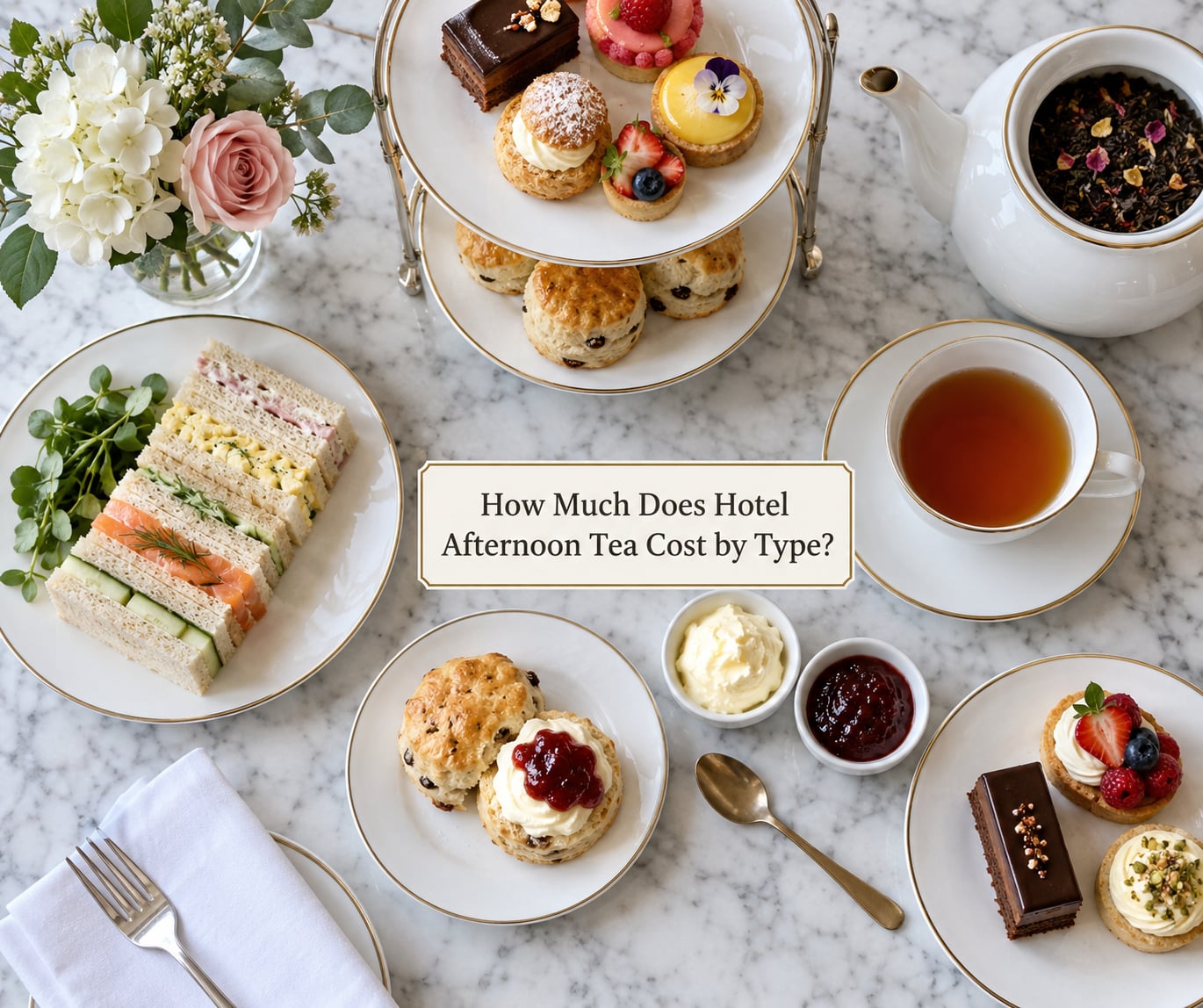
Afternoon tea is sold as a fixed-price package rather than a standard product, so the fairest way to price it is by venue type. Here is what I see across published US menus and city guides, with ranges rather than single numbers.
| Type of afternoon tea | Typical cost per person | What you usually get |
|---|---|---|
| Budget hotel cafe or limited-service property | $18 to $40 | Tea, a few finger sandwiches, scones and pastries, often a themed menu |
| Standard full-service hotel | $45 to $75 | Three-tier tray, loose-leaf tea, unlimited refills, 60 to 90 minutes |
| Luxury city hotel or landmark property | $85 to $150 | Longer seasonal menu, rare tea blends, better room, often live music |
| Destination or resort property | $96 to $150 and up | Same tray plus a view, and a service charge that is easier to add on |
| A la carte tea and cake, no tray service | $8 to $25 | One pot and one plate, ordered from the cafe menu |
| Buffet or tasting table instead of seated service | $40 to $80 | Self-serve tiers and sweets, no dedicated server at your table |
Prices are typical US ranges, they vary by region, and hotel menus get repriced seasonally. Check the property’s own page before you commit.
City matters as much as hotel class. London has the deepest range of any market, from a bakery counter at about £25 up to the grand hotels near £100. US cities cluster higher, with Manhattan landmark properties publishing figures around $75 to $100 and beach resorts sitting at the top.
| Where | Published per-person figures | Notes |
|---|---|---|
| London | About £20 to £100 | City guides put the average around £50 to £60 per person |
| New York City | About $75 to $100 | Landmark hotel lounges, with cheaper casual parlors near $28 |
| Seattle | About $18 to $75 | Neighborhood tea rooms start near $18; hotel high tea reaches $75 |
| Chicago | Mid-range by US standards | Locals describe it as costing more than a nice dinner |
| Honolulu | About $96 | Tropical themed service at a beachfront historic hotel |
| Nassau | About $96 to $120 | Destination resort format, often sold through tour marketplaces |
These figures were collected from current guides and venue listings as of October 2026. Treat them as a range to plan around, not a live quote.
What Is the Typical US Hotel Afternoon Tea Price?
There is no national average, because afternoon tea is a restaurant package, not a regulated product. Two hotels four blocks apart can quote $50 and $110 for what looks like the same tray on the same afternoon.
A useful benchmark: budget for roughly $50 per person for a decent standard hotel service, and about $75 per person if you want a champagne pairing or a nicer room. In London, plan on the equivalent of about $60 to $70 for a mid-range tier.
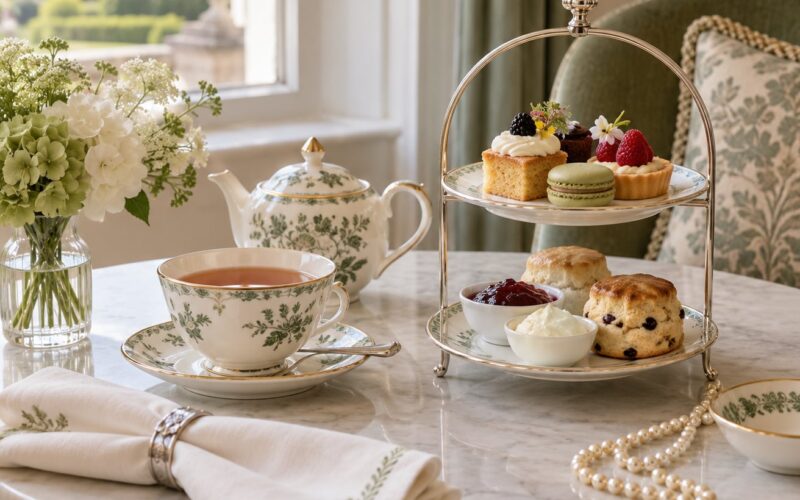
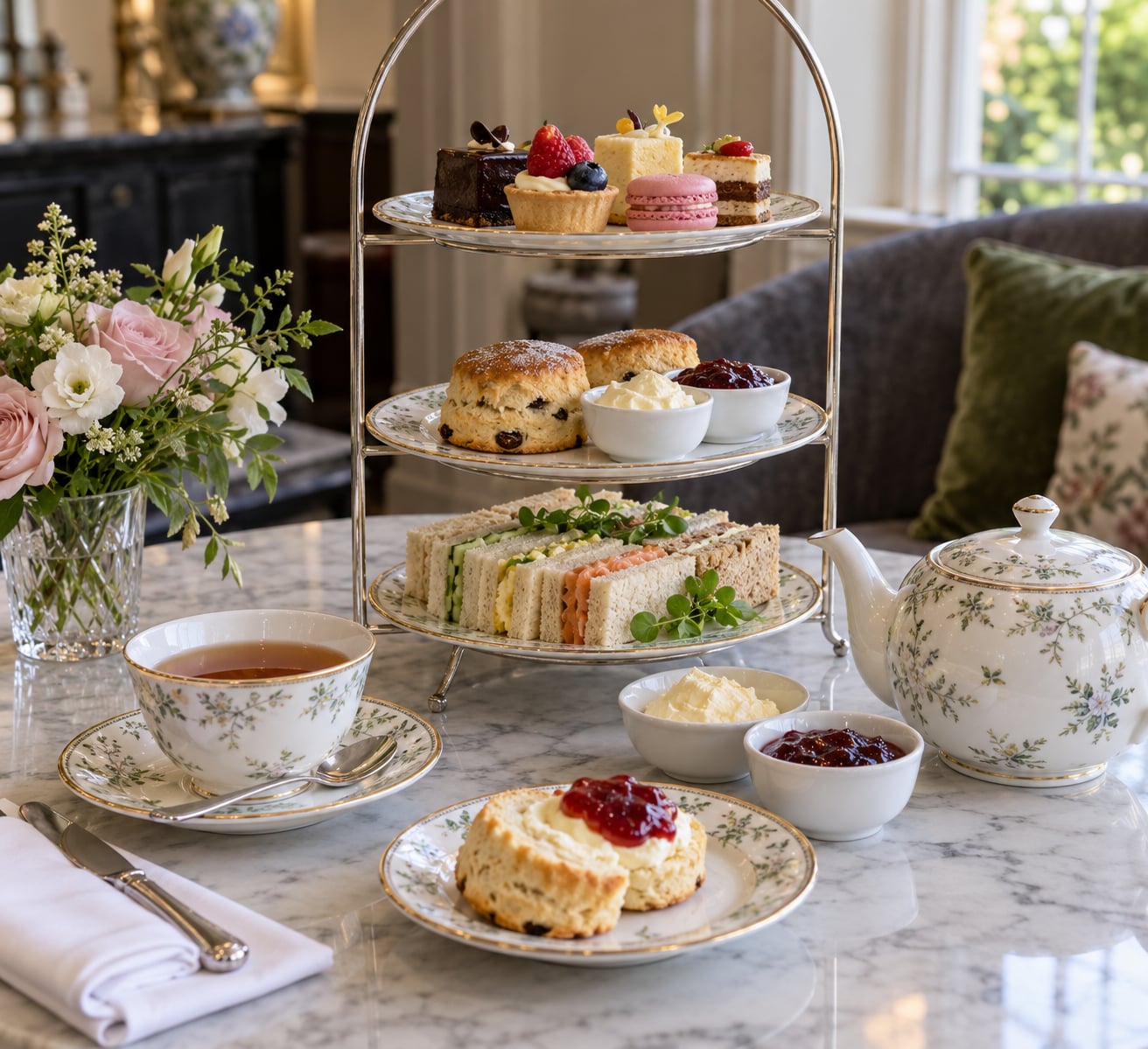
What that price normally covers is a pot of loose-leaf tea, a savory tier of finger sandwiches, a scone tier with clotted cream and preserves, and a dessert tier of small cakes. Refills are usually included, and the whole service is timed at 60 to 90 minutes.
What Affects the Price?
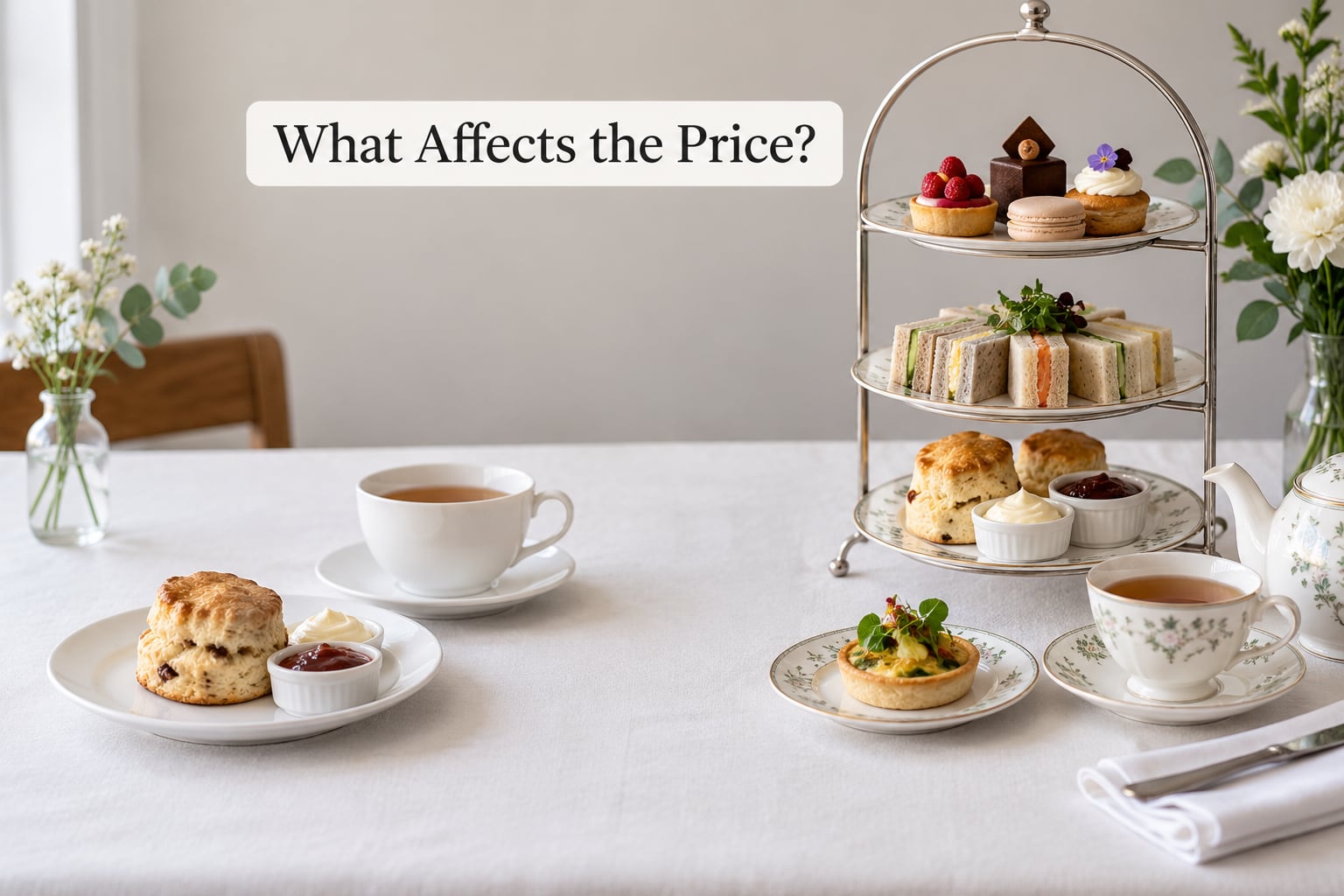
The food itself is cheap. A tray of sandwiches and cakes costs a hotel kitchen very little, so the price is mostly venue and labor. Understanding the pieces explains why a $35 tea and a $120 tea can contain nearly identical sandwiches.
Hotel class and location
The single biggest driver is the building. A tea room inside a landmark hotel on prime city real estate has to cover that rent on every seat, and the ticket price does it. A neighborhood teashop pays a fraction of that rent, which is why the cheapest good tea in any city is almost never inside a five-star hotel.
Staffing explains the rest. A seated tea service takes 60 to 90 minutes of table attention per guest, most of it pouring, clearing and explaining. That is a very long service per cover compared with a breakfast buffet, so the labor cost per guest is high.
Service format and menu size
What separates the price bands is usually the size of the menu and what comes in the pot. A classic tier gives you a set selection. A royal or premium tier widens the sandwich and pastry choices and usually upgrades the tea to a rarer blend. A champagne tier adds a glass of sparkling wine, which on its own can add $20 to $40 per person.
Private rooms, in-room dining and a live string trio push it higher again. Seasonal and themed menus cost more too, because the kitchen builds a bespoke menu for a limited run.
Which parts of the price are cheapest and most expensive
Tea is a small share of what you pay, even when it is the most expensive tea in the city. The real costs sit in the venue, the staffing, the china and linen, and the alcohol. Skip the pairing and go with tea only, and you usually save the single largest discretionary amount.
Then there are the extras that catch people out. Service charges are common at larger properties and are often not included in the advertised price. Alcohol beyond the pairing, specialty items like a cheese trolley, extra takeaway boxes and private-room minimums all add up at the table. One traveler on a $98 resort package in Nassau reported a server arguing in front of other guests that coffee carried an extra charge, so read the inclusions carefully before you sit down.
Demand and timing
Weekends, holidays and peak tourist weeks fill the good rooms, and popular properties sell out early. Weekday afternoons and the earlier seatings are consistently the least busy, which is usually where the pricing flexibility lives.
Ways to Save
None of these tricks make the tea bad. They just move the booking to a cheaper slot or a cheaper room.
- Book a weekday afternoon. Tuesday through Thursday is quiet, and properties add promotions in slow periods that they never run at the weekend.
- Take the earliest or latest seating. Mid-afternoon slots are the ones hotels push, and they carry the premium.
- Ask for the hotel guest rate. If you are staying overnight, the front desk often quotes an in-house rate well under the walk-in price. It is one phone call.
- Skip the champagne pairing. Tea only is usually the cheapest version of the same tray, and it is the biggest saving on the drinks line.
- Ask for the full package price in writing, including service charge and tax, before you reserve.
- Share the seating if you are two. Most properties price per person and serve one tray for two guests, so two people on a set menu can come in below two separate covers.
- Check what is included before you book. An afternoon tea credited against dinner or a spa treatment can be worth more than the ticket looks.
- Look at local tea rooms when the hotel service is not the point. A good neighborhood teashop runs a fraction of the price for the same food format.
- Travel outside peak season. City-break demand and resort-week pricing both peak hard, and shoulder months are noticeably softer.
A note on solo travelers, since this is a common worry: afternoon tea is not a couples-only format. Most venues seat solo guests without fuss and without a penalty, and the earlier seatings on a weekday are the calmest times to go alone.
Frequently Asked Questions
What is usually included in hotel afternoon tea?
Most services include a pot of loose-leaf tea with unlimited refills, a savory tier of finger sandwiches, a scone tier with clotted cream and preserves, and a dessert tier of small cakes and pastries. The seated service runs 60 to 90 minutes. Champagne pairings, extra food items and private rooms usually cost extra, so check what the quoted tier actually contains.
Is hotel afternoon tea cheaper when ordered a la carte?
Yes, substantially. Ordering a pot of tea and a plate of cakes from the cafe menu usually costs a fraction of the seated service, since you are not paying for the tray, the dedicated server or the room. The tradeoff is that you lose the three-tier presentation and the ninety-minute pacing. Good for a quick stop, poor as a birthday treat.
Does hotel afternoon tea include a service charge or gratuity?
Sometimes, and it varies by property. Larger hotels and resort venues often add a service charge on top of the advertised per-person price, while smaller city teashops rarely do. Gratuity is not automatically included in the US, and tipping is not expected in the UK. Ask whether the quoted price is inclusive before you reserve, and read the small print on any booking page.
Do I need to reserve hotel afternoon tea?
For busy properties and popular rooms, yes. Seatings are timed, and walk-ins are only reliable at quiet hotels on slow weekday afternoons. Reserve at least a few days ahead for a weekend, and longer for landmark properties, holiday weeks and themed or celebration menus. Always check the cancellation terms, since many packages are prepaid.
Is hotel afternoon tea suitable for children?
It can be, and many hotels run a reduced children’s price or a kid-sized tray. Seattle listings show a children’s rate well under the adult price at a major downtown hotel, though rates change by property. Ring ahead for the age cut-off, what the child’s tray includes, and whether the room can handle noise during the service.
Can hotels accommodate dietary restrictions for afternoon tea?
Most large hotels will, with notice. Gluten-free, nut-free and vegetarian versions are commonly available, and many properties list a gluten-free tasting as a standing option. Severe allergies need to be flagged when booking rather than at the table, because the kitchen runs a fixed menu for each seating. Vegan, kosher and halal menus are less universal and usually need to be arranged in advance.
Conclusion
Budget about $65 per person for a standard US hotel afternoon tea, roughly $50 at the lower end and close to $95 for a nicer property or a champagne pairing. In London, plan on the £50 to £60 average.
Before you book, open the property’s own page and confirm what the per-person price includes, whether a service charge is added, and what the cancellation terms are. Then ask about weekday promotions and hotel guest rates. Those two questions take five minutes and often cut the bill more than any other lever available to you.