Booking afternoon tea at a hotel takes about ten minutes once you know which channel to use: find the hotel’s tea page or call the reservations desk, pick a date and a two-hour sitting, choose a package, and put any dietary needs into the booking notes before you pay. Most venues seat sittings between 2pm and 5pm, and the food is a fixed menu, so there is nothing to order on the day.
What you are booking is roughly ninety minutes of seated time, taken up with a pot of tea, a three-tiered stand of sandwiches, warm scones and cakes, and a bill at the end. It is one of the easiest meals to plan around because it happens in the middle of the afternoon, when most itineraries are still undecided.
Table of Contents›
- What You Need Before Booking
- How to Book Afternoon Tea at a Hotel
- Step 1: Find the Hotel’s Official Tea Service and How to Book It
- Step 2: Check the Date, Time, and Availability
- Step 3: Choose the Right Package or Seating Option
- Step 4: Make the Reservation and Confirm the Details
- Step 5: Prepare for Your Visit
- What to Expect at Hotel Afternoon Tea
- Common Mistakes to Avoid
- Frequently Asked Questions
- How far in advance should I book hotel afternoon tea?
- Can I book afternoon tea if I am not staying at the hotel?
- Can I book afternoon tea for one person?
- What is the dress code for hotel afternoon tea?
- Which afternoon tea sitting is the least busy?
- How long does hotel afternoon tea last, and can I have extra sandwiches?
What You Need Before Booking
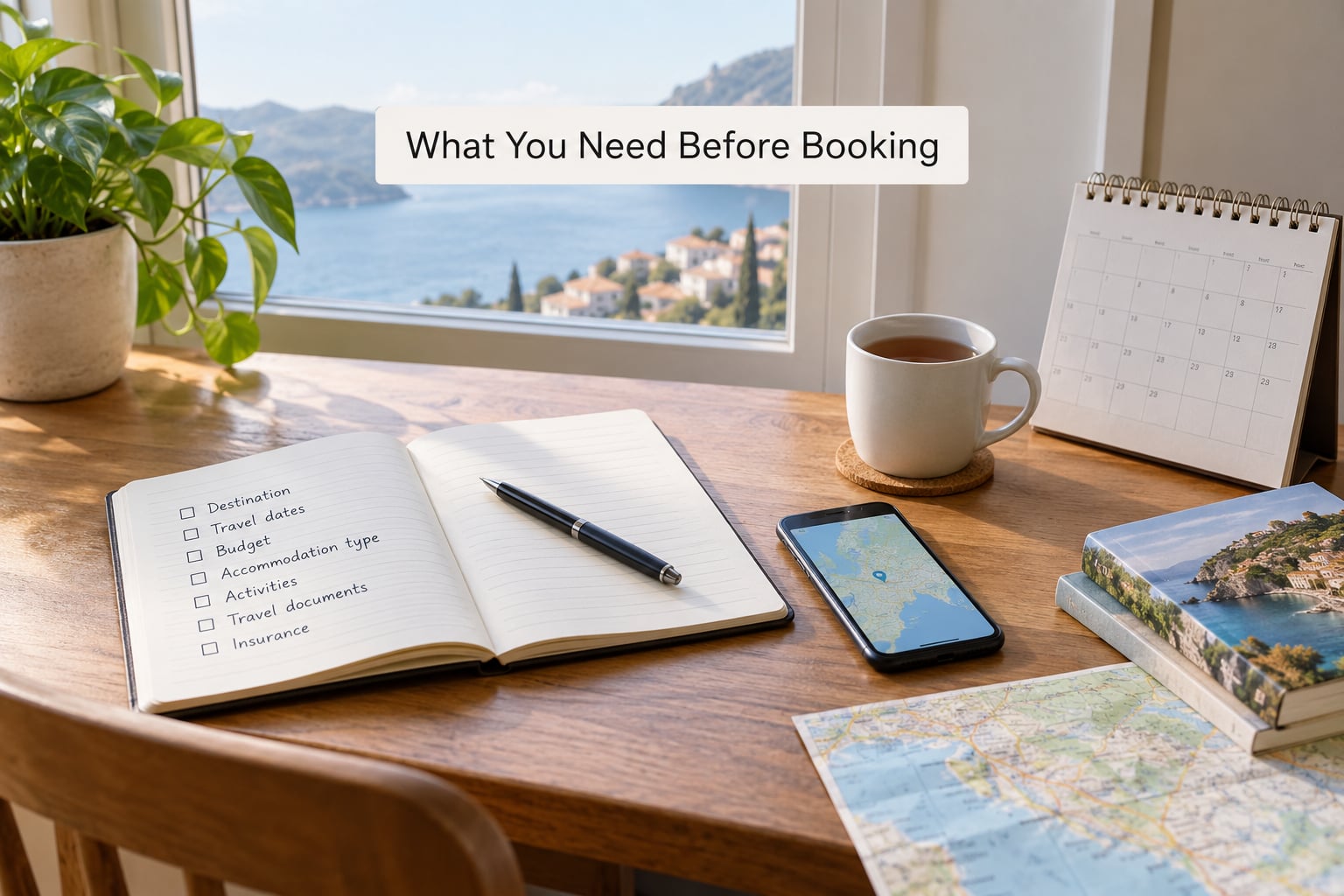
Have these decided before you contact the hotel. A booking with missing details usually comes back with a follow-up question, which costs you a day or more.
- Date and sitting. Standard sittings usually run in two-hour windows from around 2pm to 5pm, with some venues adding a late sitting for winter and weekends.
- Party size. Solo dining is fine at most hotels. Large tables, and tables of eight or more, need a different conversation.
- Dietary needs. Allergies, coeliac requirements, vegetarian, vegan, halal, and anything the guest cannot eat at all. State these at the booking stage, not on arrival.
- The occasion. A birthday, an anniversary, a proposal, a treat after a long travel day. Celebrations are often acknowledged in the booking notes, which is cheaper and simpler than improvising.
- Dress expectations. Smart casual covers most venues. Some grand hotels ask for a jacket, and a few publish a stricter standard.
- A contact method. An email address and a mobile number, so the confirmation and any reminder reach you.
- Cancellation terms. Ask what the window is and whether a deposit is taken, before you pay anything.
How to Book Afternoon Tea at a Hotel
Step 1: Find the Hotel’s Official Tea Service and How to Book It
Most hotels run afternoon tea through their main reservations office, sometimes under a separate name such as Palm Court, The Promenade, the Tearoom, or the hotel’s restaurant. Search the hotel’s own website first, because that page tells you whether you are a guest or an outside visitor, which sittings exist, and what the packages include.
If the page is vague, four channels work, in this order: the hotel’s own booking page, a phone call to the reservations desk or concierge, a direct email, and third-party platforms. Booking direct is usually better for flexibility. Platform bookings can carry a prepaid meal voucher, a set cancellation policy and a commission the hotel has already paid, so changing your mind can cost more.
Book with the hotel directly if you are staying there and want flexibility on the night before, or if you need an allergy handled carefully. Use a phone call when your party size is unusual or your request needs negotiating, because a person can agree to things a form cannot. Platform booking suits fixed dates, standard packages and straightforward parties of two or four.
Walking in is the risky option. Some hotels hold back tables for hotel guests and walk-ins, others fill every sitting weeks in advance. Travellers on travel forums report being told a mid-afternoon slot was unavailable with no fallback offered, so treat walk-in as a plan B.
Step 2: Check the Date, Time, and Availability
Availability and lead time depend on the type of venue. Use this as a rough guide and confirm with the hotel directly, because schedules shift by season and by city.
| Venue type | Typical lead time | Notes |
|---|---|---|
| Grand city hotel with a famous tea room | Several weeks, sometimes longer | Weekend sittings in the peak season and around Christmas and New Year go earliest. |
| Large destination or resort hotel | One to three weeks | Quieter midweek sittings are the easiest to get. |
| City or neighbourhood hotel | A few days to a week | Often has walk-in space at quieter times. |
| Independent teashop or cafe with a tea service | Same day or a day or two | Small rooms mean small numbers of sittings. |
Ask three questions when you call. How long is the sitting, and does the table get held for the full window? Is there a set menu on that date, and does it change seasonally? What happens if I arrive ten minutes late?
The most popular sitting is the first one after midday, and it is usually the busiest and loudest. A later sitting around 4pm tends to be calmer, with better light for photographs and fewer other tables mid-service.
Step 3: Choose the Right Package or Seating Option
Afternoon tea is priced per person, and the food is a set menu you do not choose. That means the packages differ in what surrounds the food rather than in the food itself. Typical options are a standard service with tea, a champagne or sparkling wine pairing, and a seasonal or themed menu that changes through the year.
Read the menu description before you book rather than on the day. Look for what is included: the number of sandwiches, whether scones come with clotted cream and preserves, whether the sweet tier is included or an extra, and which teas are on the list. Hotels that list their teas in advance usually have a proper loose leaf selection, while those that do not often pour from a standard pot.
Ask about substitutions too. A hotel that offers gluten-free scones on request is different from one that can only replace the sandwich tier. If a guest has a severe allergy, make sure the kitchen can be briefed before you arrive.
Seating varies. Bar or counter seats suit a solo diner who wants less ceremony. An alcove, window or terrace table suits a celebration. Ask for a quieter table if you want to hear the person across from you, and mention anything about stairs, lift access or a high chair when you have an older relative or a small child in the party.
Step 4: Make the Reservation and Confirm the Details
Give the hotel everything in one message: date, sitting time, party size, package, seating preference, dietary requirements, occasion, and a contact number. If you book by phone, send a follow-up email with the same details so there is a written record.
A message that works looks roughly like this:
Hello, I would like to book afternoon tea for two on 14 November at the 3pm sitting. We would like the standard package, and one guest has a coeliac allergy. Could you confirm the price per person, how long the sitting lasts, the cancellation window, and whether there is a deposit? If a quieter table is available we would appreciate it. Many thanks.
Wait for a written confirmation before you count the booking as done. It should give you the date, the time, the duration, the price per person, what is included, and the cancellation or deposit terms. If any of those are missing, ask.
On cost, treat the per-person figure as a starting point and check whether a service charge is added on top. Hotels in some countries add service automatically; others list it separately. Where a charge is itemised clearly online, trust it. Where it is not, ask before confirming.
Step 5: Prepare for Your Visit
Reconfirm the booking the day before, or a few days before for a special occasion. Hotels cancel sittings occasionally for private events, and a quick message protects your afternoon.
Then handle the small things. Check the dress wording on the hotel’s page or in your confirmation email and hold to it, because being turned away at the door for trainers is a wasted trip some travellers report on forums. Guests staying at the hotel are usually told the dress code in advance with their booking, while outside guests need to check the website themselves.
Decide how you will get there. City hotel tea rooms fill their lobby and nearby streets, and parking is often limited and charged separately. For a hotel away from the centre, factor in the journey both ways inside the two hours you have reserved.
Arrive five to ten minutes early, not fifteen. Early enough to be seated, not so early that you are sitting alone at a full room watching other people start without you. If you are a guest at the hotel, follow the signage; it is usually a separate entrance from the lobby.
What to Expect at Hotel Afternoon Tea
The format is consistent enough to walk in prepared. Tea arrives first, then the food. You are not asked to order, and there is usually no menu at the table beyond the list of teas.
After you sit, the server takes your tea choice if you have not already given it. Most venues list four to eight loose leaf options, with herbal and fruit infusions for anyone avoiding caffeine. The pot arrives with a small timer or a suggested brew time of a few minutes, and refills are usually included.
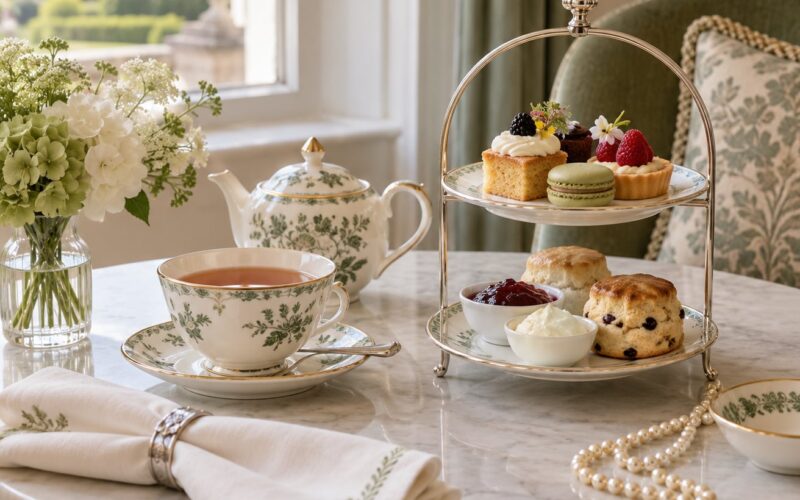
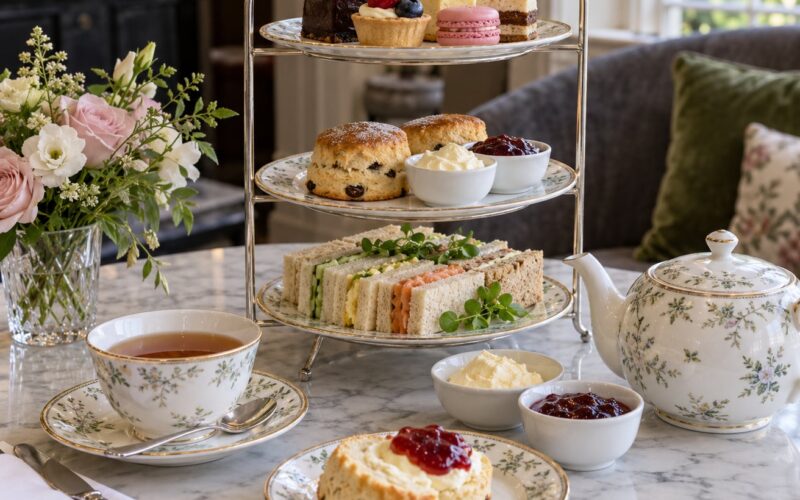
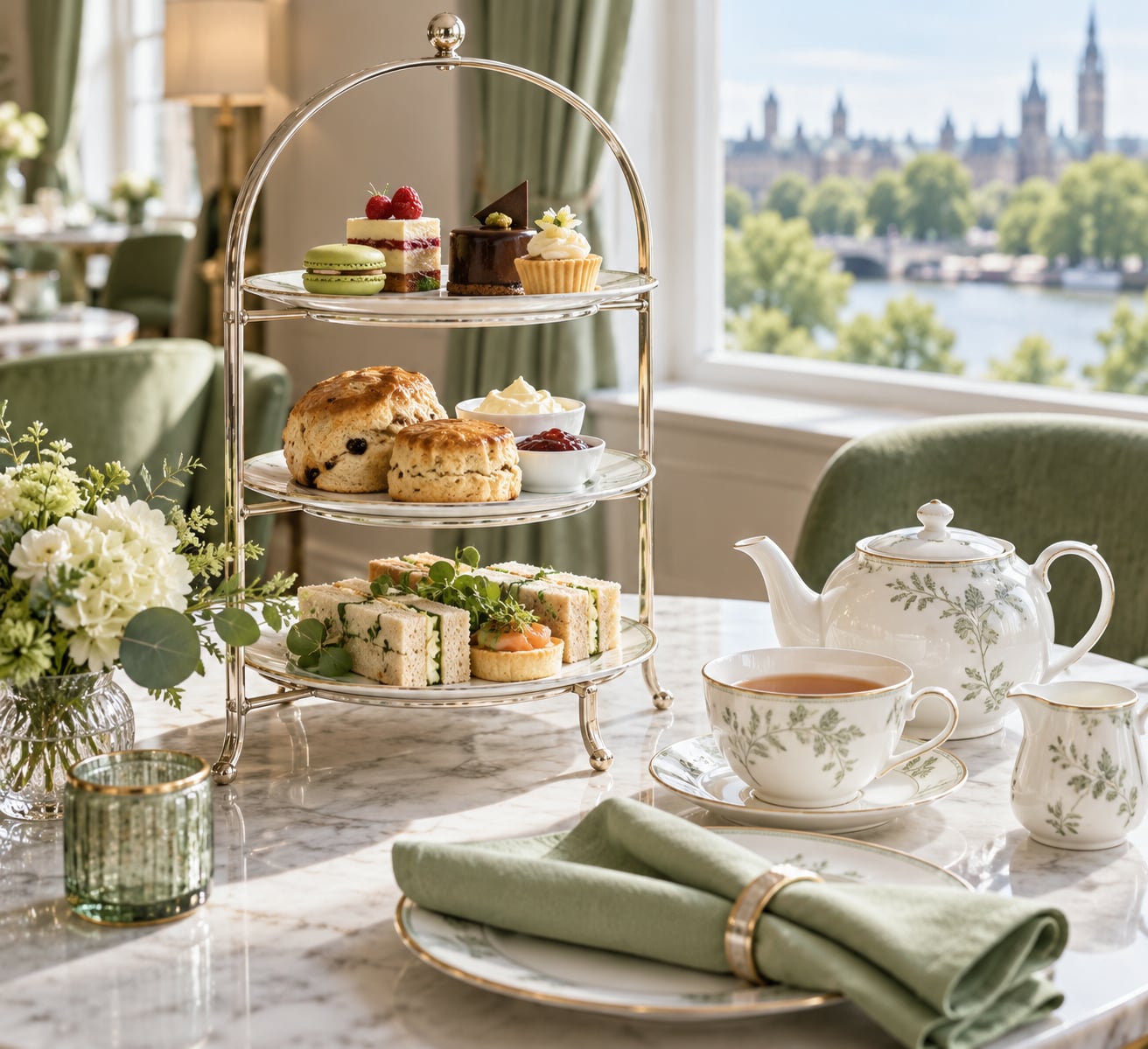
The first course is the top tier: crustless finger sandwiches, taken in the order the hotel decides, which is often a cold or light filling before something richer. Then come warm scones, split by hand and served with clotted cream and preserves. The final tier is sweets, usually small tarts, cakes and pastries.
The whole service runs about ninety minutes, though there is no rush. Servers circulate rather than descend on the table, and the pace is deliberately slow. Guests often linger past the end of the sitting, and tables are usually held for a short grace period.
You pay at the table at the end, with the bill split per person. Extra drinks, additional sandwiches and anything outside the set menu are charged separately, so keep an eye on what you add if the cost matters to you.
A quick note on terms, because plenty of people search the wrong one. Afternoon tea is the light, seated meal served in the afternoon. High tea, in its original nineteenth century sense, was a substantial working meal taken at the end of the day, and today the phrase is mostly marketing. Cream tea means scones with cream and jam but no sandwiches. Royal Tea usually means the afternoon tea service with champagne.
And yes, you can book for one person, and you can ask for more sandwiches. Both are ordinary requests, especially a week or two ahead. Servers are used to solo tea diners, and the middle of the afternoon is the easiest time to book a single cover. Many travellers nervous about dining alone report that a quiet corner table or bar seating solved it entirely.
Common Mistakes to Avoid
- Assuming it comes with the room. Afternoon tea is almost never included in a hotel stay unless the hotel says so in writing. Check, and add it to your booking yourself.
- Confusing a restaurant with a tea service. A hotel restaurant serves food at three hours, not a tiered stand at four. Look for afternoon tea on the hotel’s own pages.
- Leaving allergies out of the booking. Notes added on the day may not reach the kitchen in time. Put dietary requirements into the reservation itself.
- Overbooking the day. Two hours is longer than it sounds. A 2pm sitting ending around 3.30pm leaves room for an evening plan; a 4.30pm sitting does not.
- Arriving outside the window. Late arrivals shorten the sitting, and some venues will not seat a full set after a gap.
- Skipping the cancellation terms. Deposits and prepaid vouchers differ between direct and platform bookings. Know the window before you pay, not after.
- Forgetting the dress code. Smart casual covers nearly everything. Trainers and sportswear are the usual reason for a door conversation.
Frequently Asked Questions
How far in advance should I book hotel afternoon tea?
Book two to three weeks ahead for a city or resort hotel, and four to six weeks for a grand hotel with a well-known tea room, especially for weekend sittings, school holidays and late December. Midweek sittings are the easiest to place at short notice. If your date is fixed and popular, reserve first and arrange the rest of the day around it.
Can I book afternoon tea if I am not staying at the hotel?
Yes. Most hotel tea rooms take outside reservations, and many do a healthy share of their trade that way. You can book by phone or through the hotel’s website in exactly the same way as a guest. Be aware that some hotels hold the best tables for in-house guests, so ask about seating when you reserve if the location matters to you.
Can I book afternoon tea for one person?
Solo afternoon tea is normal and increasingly common, so there is nothing awkward about a single booking. Book a table for one, ask for a quieter spot or bar seating, and choose an earlier or later sitting if you would rather not sit in the busiest part of the room. Hotels take single tea bookings every day and will not treat you as an oddity.
What is the dress code for hotel afternoon tea?
Smart casual is the standard. That means no trainers, sportswear, shorts or beachwear, and nothing worn to the pool. Grand hotels sometimes ask for a jacket for gentlemen and smarter attire for ladies, and a few publish a formal standard. Check the wording on the hotel’s tea page or in your confirmation email, because guests are often told and outside visitors are often not.
Which afternoon tea sitting is the least busy?
The first sitting after midday is normally the fullest, and the later sittings are calmer with better afternoon light. Midweek is quieter than the weekend. If you want a table near a window or in a quiet corner, say so at the booking stage rather than assuming one will be free on the day, and expect a short grace period at the end before the table is needed.
How long does hotel afternoon tea last, and can I have extra sandwiches?
Allow about ninety minutes and up to two hours from arrival to bill. Extra sandwiches and additional plates can usually be ordered during the service, though they are charged separately and depend on kitchen volume. For a birthday or a celebration it is better to arrange extra in advance, and it is always worth asking when you reserve what the venue allows.
That is how to book afternoon tea at a hotel without overcomplicating it: start with the hotel’s own tea page, not a search result, because that is the only place that tells you what the package includes and whether you need a jacket. Then put the dietary requirements and the occasion into the reservation message itself, and wait for a written confirmation with the time, the duration and the cancellation terms.
The one rule worth remembering: book the sitting before you build the day around it, not after. The time is fixed, the menu is fixed, and everything else in the afternoon has to move to suit it.